
NORBU Golf
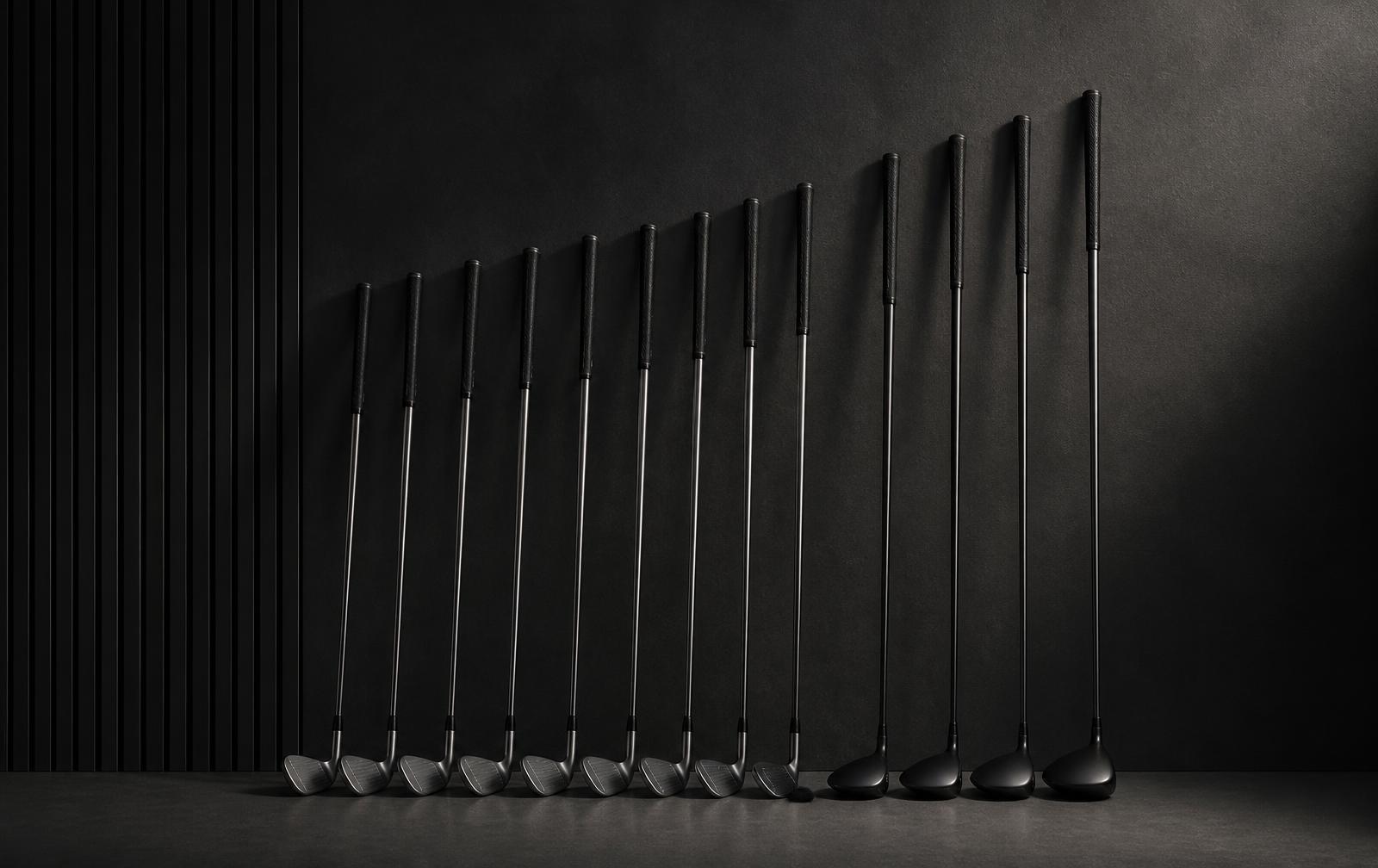
Full set of golf clubs arranged in order in a dark studio

Illustrative TruePath Elite build

See exactly what $349 delivers.

This is a curated walkthrough of a TruePath Elite blueprint — every club, the ball, the grips, the gapping map and the engineering rationale. All values are demonstration data, not a customer result.

Overview

Thirteen chapters. One bag.

A TruePath Elite blueprint runs from Swing DNA through every club, the ball, the grips, a full distance and gapping map, the engineering rationale, and an estimated build cost. Nothing is a checklist item — each section carries the specification and the reason behind it.

1,000,000+
Configurations analyzed
14
Clubs considered as one system
90 days
Recommendation validity window

Claim note — recorded inputs come from you; all distances and performance figures shown here are TruePath Projected Performance, modeled by the fitting engine, not measured post-build results.

01

Your Swing DNA

Every recommendation in the blueprint traces back to one profile of how you actually play.

Golfer at address on a links course at dawn

Screen 01

Your Swing DNA

Every recommendation in the blueprint traces back to one profile of how you actually play.

Classification
Moderate-tempo, mid-transition
Delivery pattern
Slightly in-to-out, face marginally open
Typical miss
Right-side start, low-spin fade
Driver speed band
Recorded by golfer — 98–102 mph
Strike tendency
Toe-side and slightly low
Physical factors
Average height, standard wrist-to-floor
Optimization priorities
Face control, launch, tighter dispersion

Why TruePath chose it

Intake responses, current specifications and any numbers you supply are consolidated into a single profile. Recorded inputs stay labelled as recorded; everything the engine derives from them is labelled as modeled.

Recorded inputs — supplied by the golfer, not measured by NORBU.
02

Your driver

One head, one shaft, one set of specifications — with the reasoning attached.

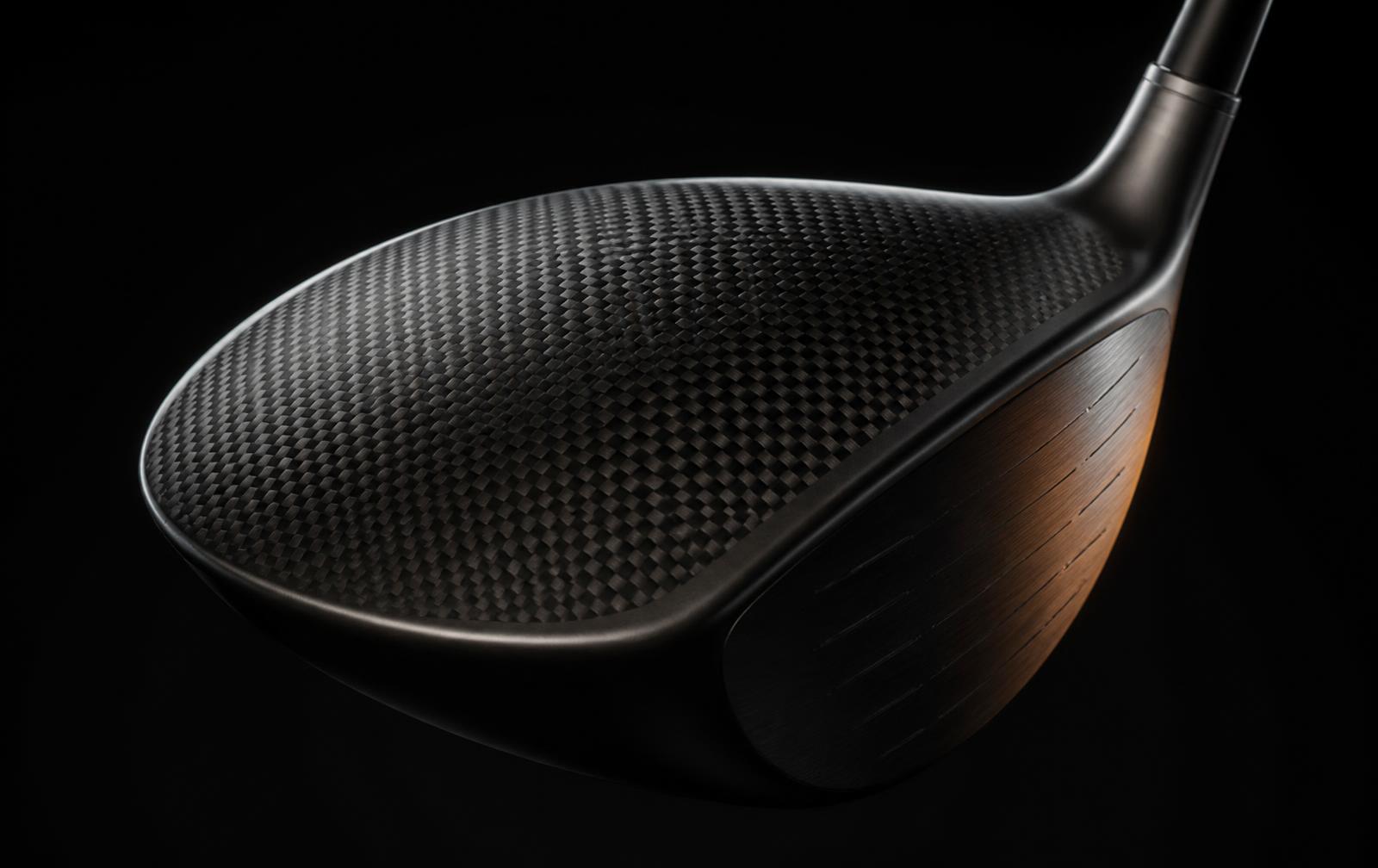
Close-up of a carbon and titanium driver crown

Screen 02

Your driver

One head, one shaft, one set of specifications — with the reasoning attached.

Recommended model
Illustrative Model D1 (9°)
Loft setting
10.0° / neutral-draw
Shaft
Illustrative Mid-Launch 60
Flex
Stiff
Length
45.25 in
Swing weight
D3
Grip
Standard, +1 wrap

Why TruePath chose it

The head is chosen for face-correction on toe-side strikes; the shaft profile supports a mid-transition without adding the tip-instability that shows up in the sample delivery pattern. Length is trimmed slightly to protect centre-face contact rather than chase speed.

03

Your fairway woods

Woods are configured to fit under the driver and above the long-game transition, not in isolation.

Golf ball on a tee at sunrise with a driver head behind it

Screen 03

Your fairway woods

Woods are configured to fit under the driver and above the long-game transition, not in isolation.

Recommended model
Illustrative Model F2
Loft
16.5°
Shaft
Illustrative FW 70
Flex
Stiff
Length
42.75 in
Swing weight
D3
Role in bag
Tee-shot alternative and long approach

Why TruePath chose it

A 16.5° head keeps the projected carry window clear of both the driver above it and the hybrid below it, so the club has a defined job rather than duplicating one.

04

Your hybrids and long-iron architecture

Where the long game transitions is a design decision, not a default.

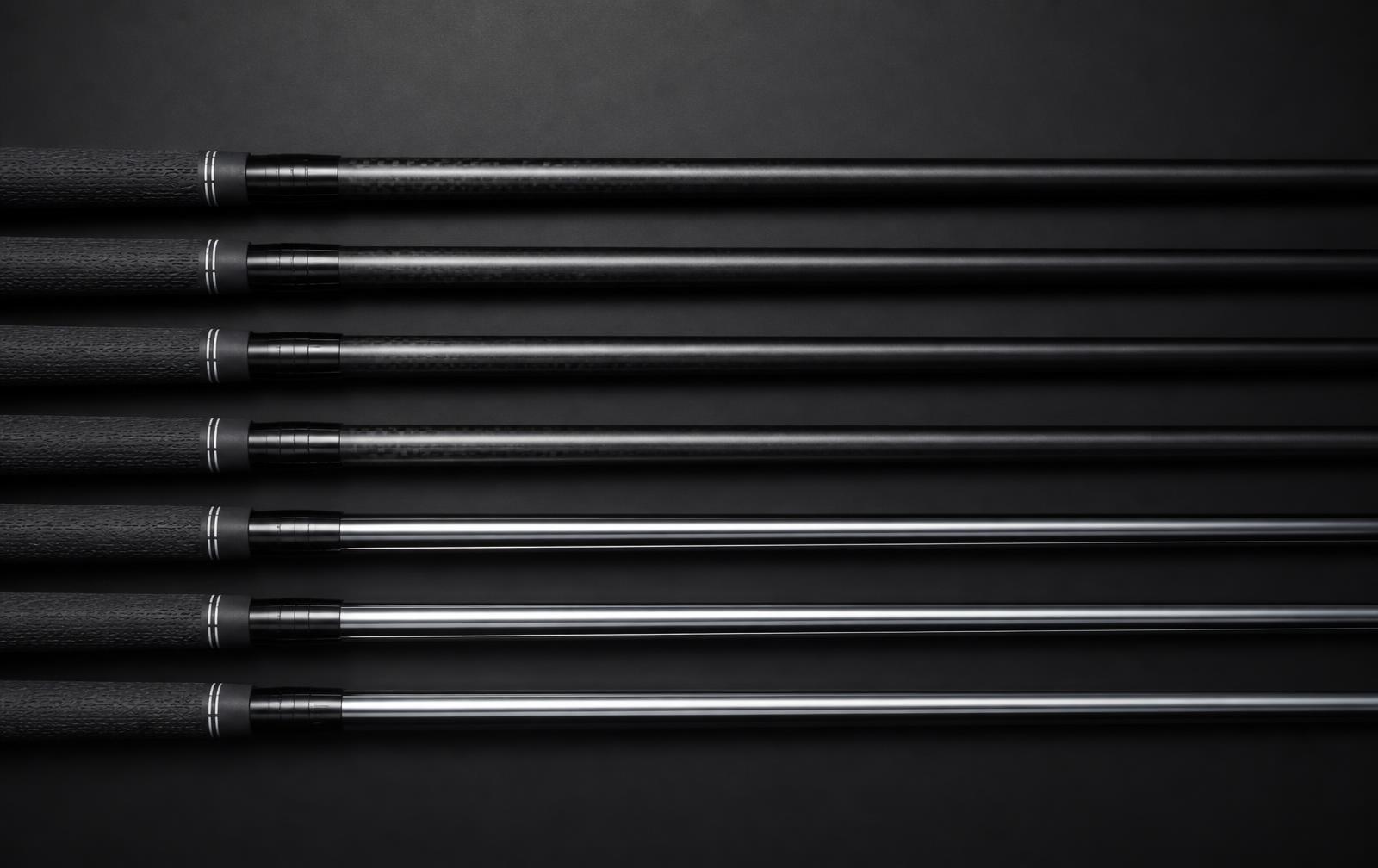
Graphite and steel golf shafts laid out in a precise row

Screen 04

Your hybrids and long-iron architecture

Where the long game transitions is a design decision, not a default.

Recommended model
Illustrative Model H1
Loft
21°
Shaft
Illustrative Hybrid 80
Flex
Stiff
Length
39.75 in
Transition point
Hybrid replaces the 4-iron
Alternative build
Driving iron for firm-turf conditions

Why TruePath chose it

Elite models the crossover explicitly: at the sample delivery speeds, a hybrid holds a more reliable descent angle into greens than the equivalent long iron, so the set begins at the 5-iron.

05

Your iron system

Elite can specify a combo set where the data supports it, rather than forcing one model through the whole set.

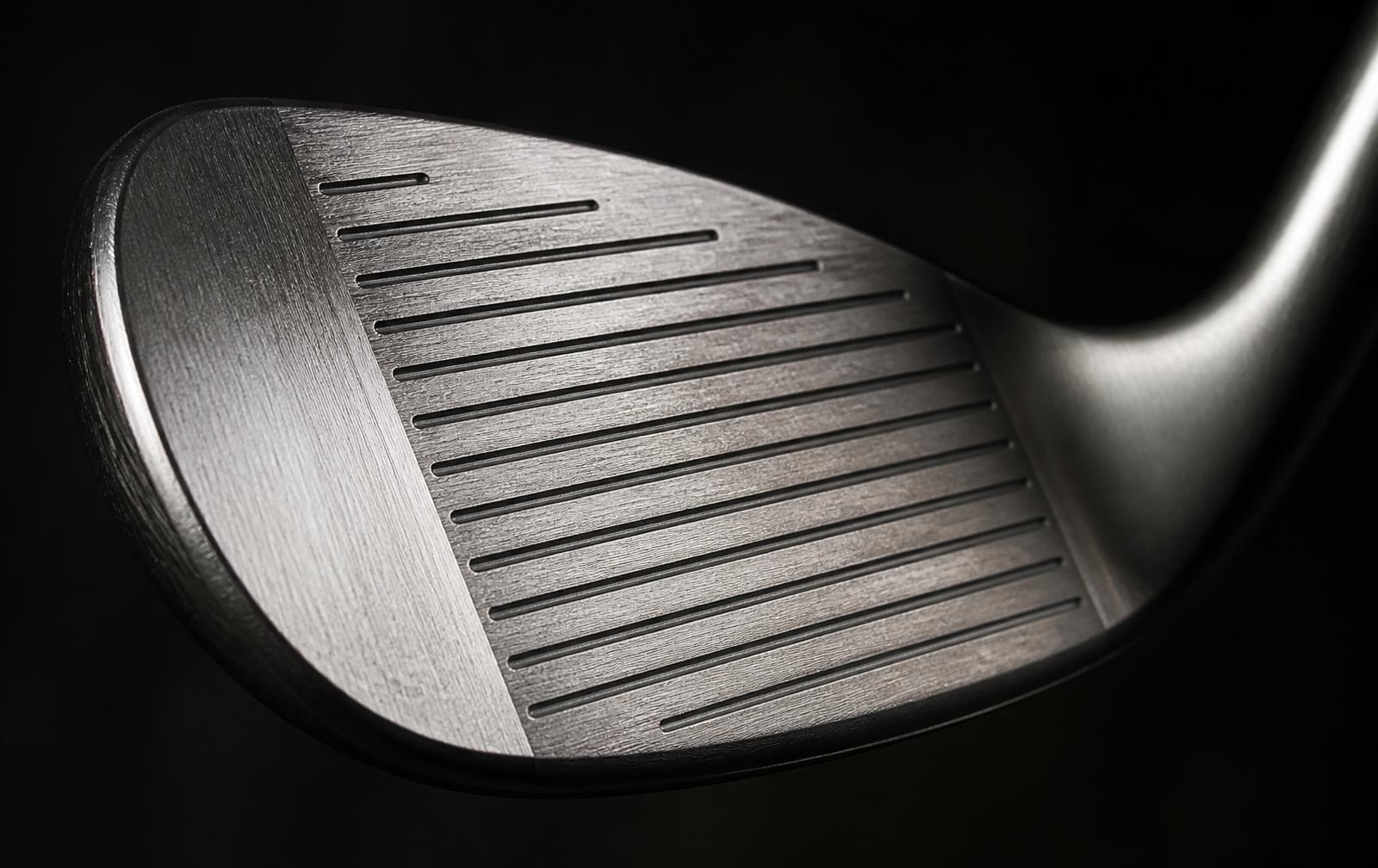
Macro view of a forged iron face and grooves

Screen 05

Your iron system

Elite can specify a combo set where the data supports it, rather than forcing one model through the whole set.

Set composition
5–7 Illustrative Model I2 · 8–PW Illustrative Model I1
Shaft
Illustrative Steel 105
Flex
Stiff
Lie
Standard +1°
Length
Standard
Launch character
Mid-launch long irons, controlled scoring irons
Grip
Standard, +1 wrap

Why TruePath chose it

Forgiveness matters most where speed falls off, control matters most where you score. Splitting the set at the 8-iron keeps long-iron launch usable while the scoring irons stay flat-flighted and predictable.

06

Your wedge system

Lofts, grinds and bounce are chosen around your turf conditions and the gap below the pitching wedge.

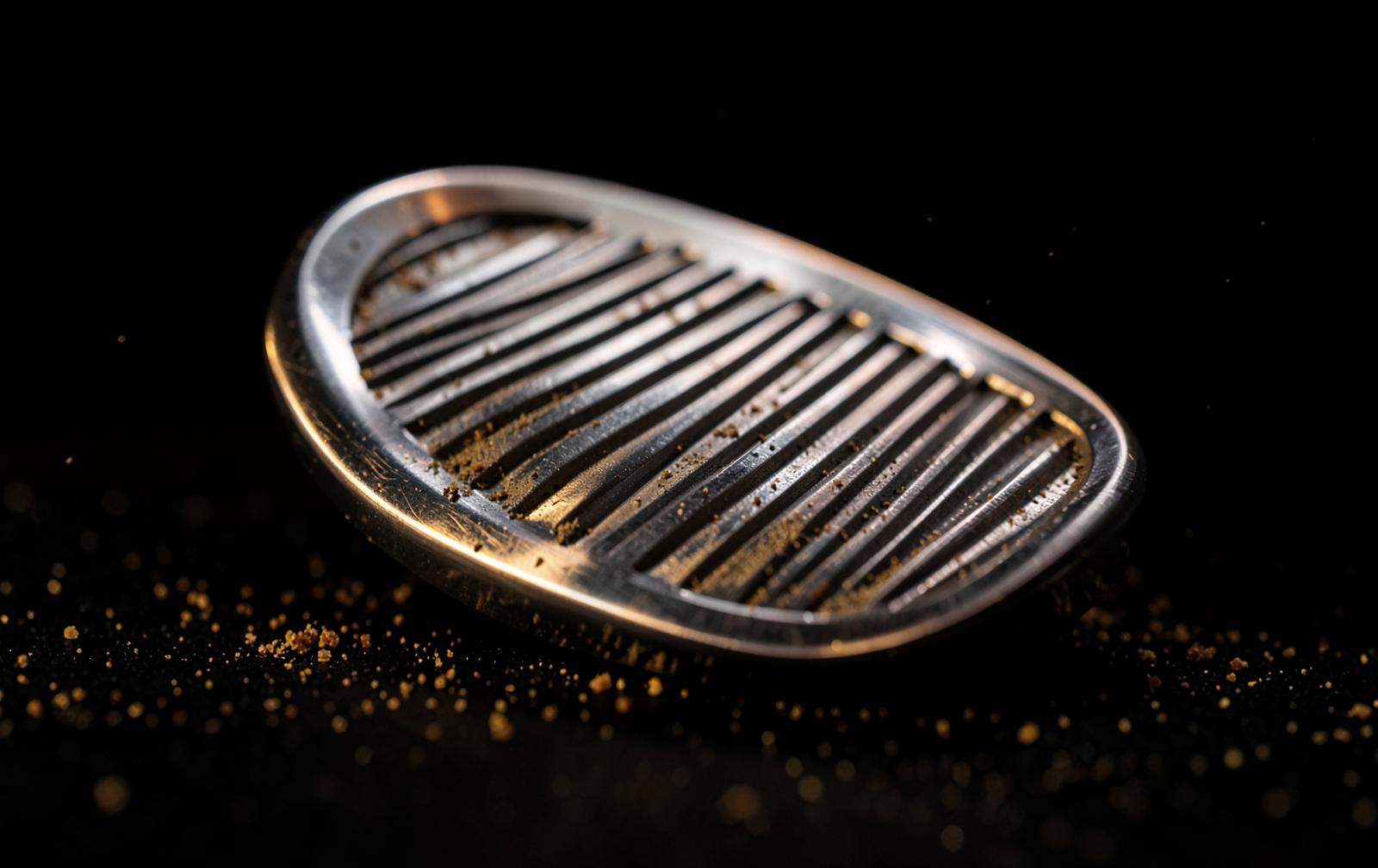
Macro view of a wedge sole and milled grooves

Screen 06

Your wedge system

Lofts, grinds and bounce are chosen around your turf conditions and the gap below the pitching wedge.

Gap wedge
50° · 10° bounce · mid grind
Sand wedge
54° · 12° bounce · full sole
Lob wedge
58° · 8° bounce · heel-relief grind
Shaft
Illustrative Wedge 115
Length
35.5 / 35.25 / 35.0 in
Scoring gaps
Even 4° steps below the pitching wedge
Turf assumption
Medium-firm, moderate attack angle

Why TruePath chose it

Even loft steps keep the projected scoring distances evenly spaced, and the bounce profile is matched to a moderate attack angle so the leading edge behaves consistently from both turf and sand.

07

Your putter

Head style, length and toe hang are matched to your stroke arc, not to what is on the rack.

Milled blade putter at address on dark turf

Screen 07

Your putter

Head style, length and toe hang are matched to your stroke arc, not to what is on the rack.

Recommended model
Illustrative Blade P1
Length
34.0 in
Toe hang
Moderate (slight-arc stroke)
Head weight
355 g
Lie
70°
Grip
Mid-size pistol
Verdict on current putter
Keep — specification already suitable

Why TruePath chose it

A slight-arc stroke pairs with moderate toe hang; the mid-size grip quietens hand action without removing feel. Where your current putter already matches, TruePath says keep it.

08

Your ball

TruePath Elite is not simply fitting clubs. It optimizes the entire equipment ecosystem.

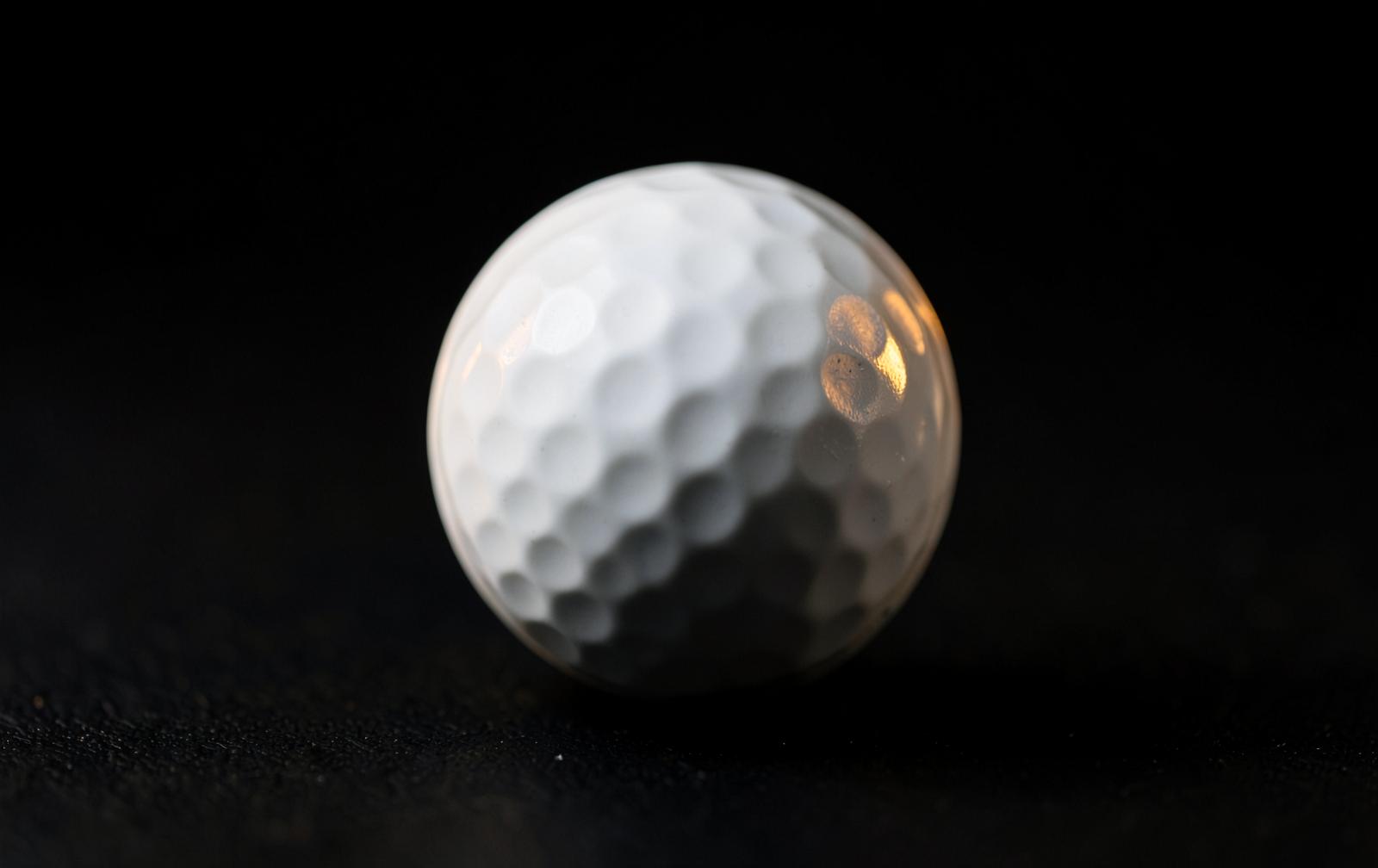
Macro view of a urethane-cover golf ball

Screen 08

Your ball

TruePath Elite is not simply fitting clubs. It optimizes the entire equipment ecosystem.

Recommended ball
Illustrative Tour Urethane
Construction
Three-piece, cast urethane cover
Compression band
Mid-high
Driver spin character
Lower long-game spin
Wedge spin character
High short-game spin
Flight
Mid, wind-stable
Alternative
Softer-compression option for cooler conditions

Why TruePath chose it

The ball sets the spin ceiling every club in the bag has to work within. A lower long-game spin ball protects the driver build, while the urethane cover keeps the wedge system's projected stopping power intact.

09

Your grips

Grip configuration changes how the club is delivered — it belongs in the fitting, not after it.

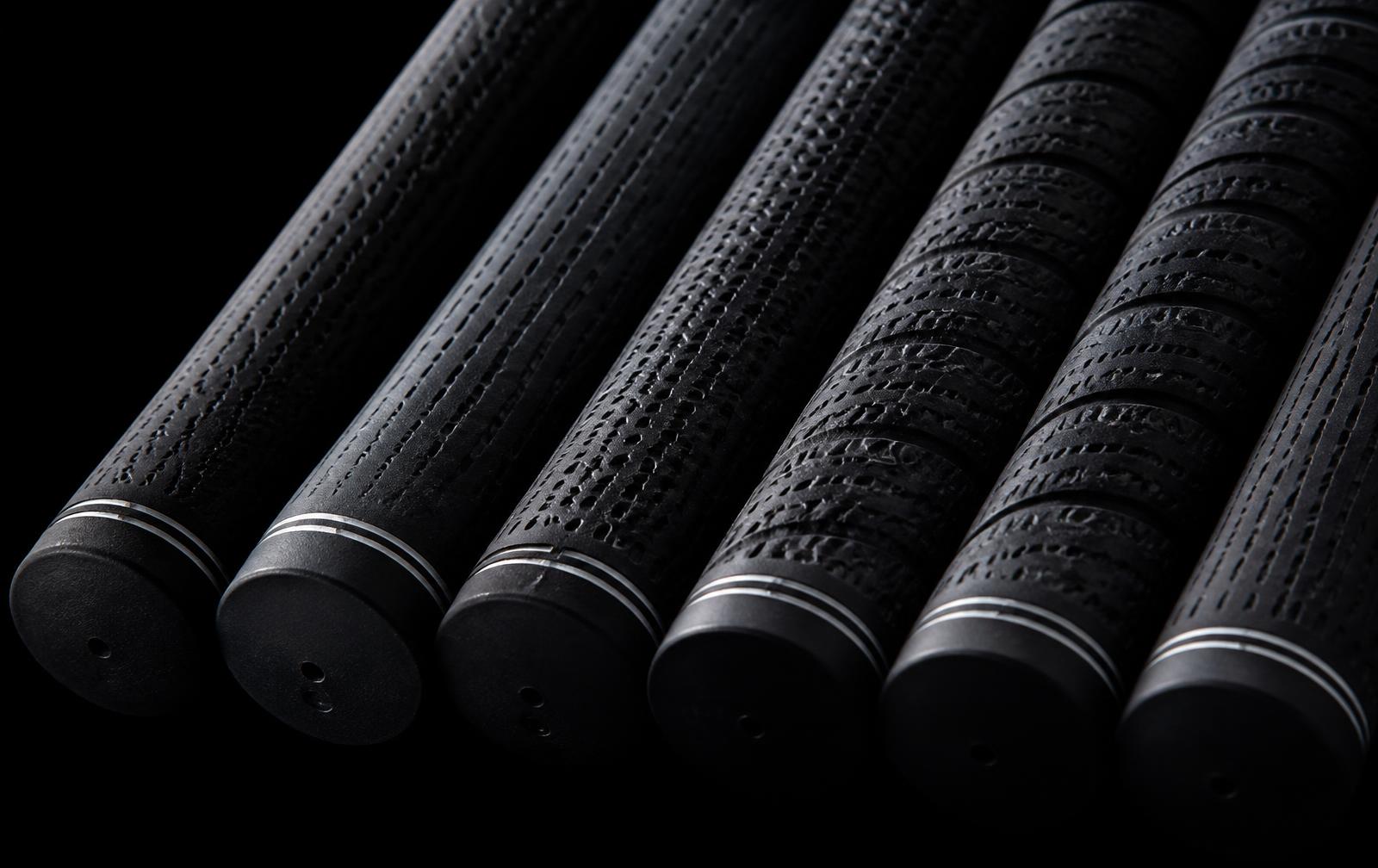
Row of textured golf grips lit from the side

Screen 09

Your grips

Grip configuration changes how the club is delivered — it belongs in the fitting, not after it.

Model
Illustrative Cord Hybrid
Size
Standard core, +1 wrap
Build tape
One additional layer, lower hand
Putter grip
Mid-size pistol
Weight effect
+2 g per club, accounted for in swing weight
Texture
Corded upper, softer lower hand

Why TruePath chose it

Grip size influences hand action and face rotation. Because grip weight changes swing weight, the build spec is calculated with the grip already included rather than adjusted afterwards.

Screen 10

Your distance & gapping map.

Illustrative TruePath Elite build

Distance & gapping map

Projected carryProjected total
  • Driver

    10.0° · 252 carry · 275 total ·

  • 3 Wood

    16.5° · 232 carry · 250 total · 20 yd gap

  • Hybrid

    21° · 211 carry · 226 total · 21 yd gap

  • 5 Iron

    24° · 194 carry · 205 total · 17 yd gap

  • 6 Iron

    27° · 181 carry · 191 total · 13 yd gap

  • 7 Iron

    31° · 168 carry · 176 total · 13 yd gap

  • 8 Iron

    35° · 155 carry · 162 total · 13 yd gap

  • 9 Iron

    40° · 141 carry · 147 total · 14 yd gap

  • PW

    45° · 126 carry · 131 total · 15 yd gap

  • GW

    50° · 112 carry · 116 total · 14 yd gap

  • SW

    54° · 98 carry · 101 total · 14 yd gap

  • LW

    58° · 82 carry · 84 total · 16 yd gap

Every club has a job.

TruePath Projected Performance — distances are modeled by the fitting engine from your profile. They are not measured post-build results.

Screen 11

The engineering.

Illustrative TruePath Elite build / Engineering

The reasoning underneath.

In plain terms: your tempo and transition set the shaft profile, your path and face tendencies set the head bias, and production tolerances keep the build repeatable. Advanced golfers can open the full engineering view.

TruePath Verdict

The diagnosis, and the prescription.

This bag does not need to be replaced — it needs to be optimized. Four components are working against an aggressive transition and a marginally open face: the driver shaft, an overlapping long-game pairing, iron shaft behaviour, and a wedge set with an uncovered scoring window.

The prescription keeps seven clubs, adjusts three and replaces four — a new driver head and shaft, a 4-wood and 7-wood replacing the 3-wood, 3-hybrid and 4-iron, reshafted irons, a six-degree wedge architecture, an adjusted putter and a mid-spin tour ball.

7
Clubs kept
3
Clubs adjusted
4
Clubs replaced
91%
Overall confidence

Why this won

Every category, with the runners-up shown.

Elite never shows a single answer without the alternatives behind it. For each category you see the winning configuration, the next two options, their TruePath Fit Scores, confidence, primary advantage and trade-off.

Driver

Winning configuration

96

Titleist GT3

9.0° | Ventus TR Blue 6X | 45.00"

TruePath Fit Score
96 / 100 — high confidence
Primary advantage
Holds face angle through an aggressive transition
Trade-off
Slightly less heel-side forgiveness than a max-stability head

Alternative #2

93

Ping G440 LST

9.0° | Tensei 1K Black 65TX | 45.25"

TruePath Fit Score
93 / 100 — high confidence
Primary advantage
Lowest projected spin of the three
Trade-off
Launch window narrows on low-face strikes

Alternative #3

90

TaylorMade Qi35

9.0° | Ventus Black 6X | 45.00"

TruePath Fit Score
90 / 100 — moderate confidence
Primary advantage
Most forgiving on toe-side contact
Trade-off
Projected spin sits above the target window

Why the winner fits this golfer better — This golfer loads the shaft quickly and delivers a marginally open face. The winning pairing is the only one of the three that keeps projected spin inside the target window without giving up stability on the toe-side strike pattern recorded in intake.

Fairway woods & long game

Winning configuration

94

TaylorMade Qi35 4-Wood + Ping G440 Max 7-Wood

16.5° / 21°

TruePath Fit Score
94 / 100 — high confidence
Primary advantage
Covers 215–245 yards with even, repeatable steps
Trade-off
Gives up the versatility of a driving iron off the tee

Alternative #2

89

Titleist GT2 3-Wood + 5-Wood

15° / 18°

TruePath Fit Score
89 / 100 — moderate confidence
Primary advantage
Higher ceiling on firm, running fairways
Trade-off
Leaves a 12-yard overlap at the top of the chain

Alternative #3

85

3-Wood + 3-Hybrid

15° / 19°

TruePath Fit Score
85 / 100 — validation recommended confidence
Primary advantage
Familiar setup, smallest change from the current bag
Trade-off
Projected launch falls short of the descent angle target

Why the winner fits this golfer better — The winning chain removes the overlap between the current 3-wood and 3-hybrid and produces the flattest gapping profile across the modeled long-game window.

Irons

Winning configuration

95

Ping i230 — reshafted

5–PW | Dynamic Gold Tour Issue X100 | +0.25"

TruePath Fit Score
95 / 100 — high confidence
Primary advantage
Keeps a head this golfer already strikes well while stabilizing delivery
Trade-off
No gain in raw forgiveness over the current heads

Alternative #2

91

Titleist T150

5–PW | Project X LS 6.5

TruePath Fit Score
91 / 100 — high confidence
Primary advantage
Tighter modeled distance spread on mishits
Trade-off
Full replacement cost with a modest projected gain

Alternative #3

88

Mizuno Pro 243

5–PW | Modus 120X

TruePath Fit Score
88 / 100 — moderate confidence
Primary advantage
Softest feel of the three
Trade-off
Launch window sits lower than the target profile

Why the winner fits this golfer better — The analysis attributes the inconsistency to shaft behaviour rather than head design, so the highest-scoring option changes the shaft and specifications and keeps the heads.

Wedges

Winning configuration

94

48° / 54° / 58°

S-grind / S-grind / M-grind

TruePath Fit Score
94 / 100 — high confidence
Primary advantage
Even six-degree steps and predictable scoring gaps
Trade-off
Requires replacing two existing wedges

Alternative #2

90

50° / 54° / 58°

F-grind / S-grind / M-grind

TruePath Fit Score
90 / 100 — high confidence
Primary advantage
Smoothest transition from the pitching wedge
Trade-off
Compresses the gap below the pitching wedge

Alternative #3

84

50° / 56°

F-grind / S-grind

TruePath Fit Score
84 / 100 — validation recommended confidence
Primary advantage
Frees a slot for a second long-game club
Trade-off
Leaves an uncovered window inside 100 yards

Why the winner fits this golfer better — The winning architecture is the only one of the three with no uncovered scoring window between the pitching wedge and the highest-lofted wedge.

Putter

Winning configuration

92

Keep current putter — adjust

Shorten to 34.0" | 2.5° lie adjustment

TruePath Fit Score
92 / 100 — high confidence
Primary advantage
Preserves a stroke and look this golfer already trusts
Trade-off
No change in head stability

Alternative #2

88

Mid-mallet, single bend

34.0" | 355g head

TruePath Fit Score
88 / 100 — moderate confidence
Primary advantage
More forgiving on off-centre strikes
Trade-off
Different visual at address; adaptation period

Alternative #3

85

Blade, plumber's neck

34.0" | 350g head

TruePath Fit Score
85 / 100 — validation recommended confidence
Primary advantage
Best match for an arcing stroke
Trade-off
Least forgiving of the three

Why the winner fits this golfer better — Nothing in the recorded stroke profile justifies a replacement. The highest-scoring option corrects the setup geometry rather than the head.

Golf ball

Winning configuration

95

Tour urethane — mid-spin

Three-piece

TruePath Fit Score
95 / 100 — high confidence
Primary advantage
Keeps driver spin inside the window while holding greens
Trade-off
Highest cost per dozen

Alternative #2

91

Tour urethane — low-spin

Four-piece

TruePath Fit Score
91 / 100 — high confidence
Primary advantage
Lowest projected long-game spin
Trade-off
Less stopping power on partial wedges

Alternative #3

86

Cast urethane — soft feel

Three-piece

TruePath Fit Score
86 / 100 — moderate confidence
Primary advantage
Softest feel and lowest price of the three
Trade-off
Projected driver spin drifts above target

Why the winner fits this golfer better — The winning ball is the only option that satisfies both the driver spin ceiling and the greenside spin floor set by this golfer's scoring profile.

Projected improvement

Modeled projections, not promises.

  • Carry-distance consistencyBaseline12–16% tighter
  • DispersionBaseline14–19% tighter
  • Launch-window consistencyBaseline11% more repeatable
  • GappingTwo overlaps, one uncovered windowEven steps, no uncovered window
  • Face controlBaseline9–13% less variance
  • Strike consistencyBaseline8% more centred

These are TruePath Projected Performance figures, modeled by the fitting engine from your recorded inputs. They are not guaranteed measured results.

Current-bag decisions

Every club you already own, decided.

  • DriverReplaceCurrent shaft loses face control through an aggressive transition.High urgency
  • 3-WoodReplaceOverlaps the 3-hybrid; the modeled chain covers the window with a 4-wood.High urgency
  • 3-HybridReplaceLaunch falls short of the descent-angle target at 215 yards.Medium urgency
  • 4-IronReplaceRemoved from the bag; the 7-wood covers the same distance more reliably.Medium urgency
  • 5–PW IronsAdjustKeep the heads, change the shaft and lengthen by a quarter inch.High urgency
  • 50° WedgeReplaceCreates an uneven step from the pitching wedge.Medium urgency
  • 56° WedgeReplaceLeaves an uncovered scoring window inside 100 yards.Medium urgency
  • PutterAdjustShorten and correct the lie; the head suits the recorded stroke.Low urgency
  • Golf ballReplaceCurrent ball pushes driver spin above the target window.High urgency
  • GripsValidate in personHand measurements are self-reported; confirm size before building.Low urgency

Bag architecture

Fourteen clubs, modeled as one system.

Driver into the long game

The 4-wood sits 35 yards under the modeled driver carry, giving a usable second option from the tee.

Long game into irons

The 7-wood lands 12 yards above the 5-iron, closing the window the 3-hybrid and 4-iron used to share.

Overlaps removed

Two overlapping clubs — 3-wood and 3-hybrid — are consolidated into one, freeing a slot for the wedge architecture.

Iron flow

Even 12–14 yard steps from 5-iron through pitching wedge with a consistent descent-angle profile.

Scoring architecture

Six-degree wedge steps produce three repeatable scoring distances under the pitching wedge.

Uncovered windows

None remain in the modeled bag. The previous uncovered window sat between 95 and 110 yards.

Confidence

How certain the analysis is, and why.

High confidence

Driver, irons, wedges, ball

Recorded inputs are complete and consistent, and the top options separate clearly on score.

Moderate confidence

Fairway woods

Turf-interaction preference is self-reported, which widens the range of acceptable options.

Validation recommended

Putter length, grip size

These depend on physical measurements best confirmed in person before the build.

What increases confidence

  • Launch-monitor numbers supplied at intake
  • Consistent, detailed answers about the current bag
  • Clear performance priorities
  • Accurate physical measurements

What reduces confidence

  • Estimated rather than measured speeds
  • Conflicting miss patterns
  • Recent equipment or swing changes
  • Unspecified turf and course conditions

TruePath DNA™

Your profile, carried into every future fit.

Delivery pattern
Aggressive transition, mid-late release, face marginally open at impact
Equipment needs
Stability through transition, controlled spin, preserved launch, forgiveness on toe-side strikes
Fitting priorities
Dispersion first, then gapping, then feel
Recurring specifications
Firmer tip sections, mid-weight shafts, slightly longer irons, midsize grips, D2–D3 swing weight

Illustrative demonstration data — not an actual customer result.

Screen 12

Your complete build.

Recommended because it fits.
Every line carries a keep, replace or alternative status — including clubs the analysis says to leave in the bag.

  • DriverIllustrative Model D1 · 10.0° · Mid-Launch 60 S$599
  • Fairway woodIllustrative Model F2 · 16.5° · FW 70 S$399
  • HybridIllustrative Model H1 · 21° · Hybrid 80 S$279
  • Irons (5–PW)Combo set I2/I1 · Steel 105 S · Std +1°$1,199
  • Wedges (3)50° / 54° / 58° · Wedge 115$537
  • PutterKeep current putter — specification suitable$0
  • BallIllustrative Tour Urethane (per dozen)$55
  • Grips (full set)Cord Hybrid · +1 wrap$154

Estimated equipment cost

$3,222

Estimated at illustrative retail pricing. Equipment is purchased separately. Your TruePath blueprint can be taken to a qualified retailer or custom club builder. TruePath fulfillment and validated build-partner options may also be available.

Fourteen clubs. One system.

Explore the bag category by category.

Close-up of a carbon and titanium driver crown

Illustrative TruePath Elite build / Driver

Sets the ceiling

The driver defines the top of your distance map. Everything below it is configured to fit underneath without leaving a hole.

10.0° · Mid-Launch 60 S · 45.25 in · D3

Golfer walking a coastal links fairway in late afternoon light

TruePath Elite — $349

This is the product.

Get my TruePath Elite build — $349